

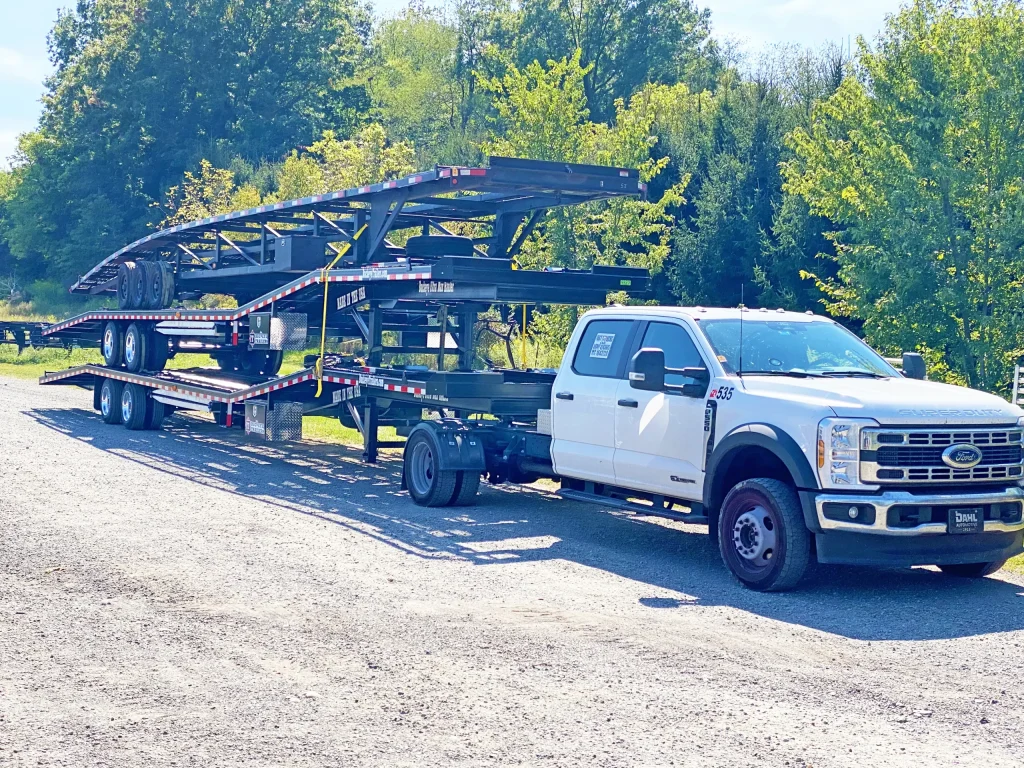
Let’s be honest—the idea of hitting the open road, being your own boss, and building a business from the ground up has a powerful pull. And in the world of freight, hotshot trucking is often the most accessible entry point. But here’s the deal: the general market is crowded. The real opportunity, the path to better margins and steadier work, lies in finding a niche.
Starting a niche hotshot operation isn’t just about having a truck and a trailer. It’s a calculated dance between economics and logistics, where every decision—from your target market to your tire pressure—matters. Let’s dive into what it really takes to build a sustainable business, not just a job with a lot of overhead.
Finding Your Lane: The Power of a Niche
You can’t be everything to everyone. A niche isn’t a limitation; it’s your superpower. It allows you to become an expert, command higher rates, and build predictable workflows. The key is to find a sector where your smaller, more agile service solves a specific, painful problem.
Profitable Niche Examples
Think about industries with unique needs. Oil & gas, for instance, always needs parts rushed to remote rigs—downtime costs thousands per hour. Construction sites constantly require specialized equipment or materials to keep projects on schedule. Then there’s agricultural hotshot trucking, moving everything from livestock to expensive tractors.
Don’t overlook the oversized loads for small businesses market. A local manufacturer might need a custom machine part delivered 500 miles away tomorrow. A retail store needs a rush shipment of inventory. You become their logistics hero.
The Upfront Math: Startup Costs You Can’t Ignore
Alright, let’s talk numbers. This is where dreams meet reality. Your initial investment will likely fall between $50,000 and $150,000. It’s a wide range, sure, because your niche dictates your gear.
| Cost Category | Estimated Range | Key Considerations |
| Truck (1-Ton Dually) | $45,000 – $85,000+ | New vs. used; diesel is standard for towing capacity. |
| Gooseneck/Fifth-Wheel Trailer | $15,000 – $40,000+ | Flatbed, lowboy, or enclosed? Your niche decides. |
| Operating Authority (USDOT, MC#) | $300 – $1,000+ | Includes filing fees and process server costs. |
| Insurance (Liability/Cargo) | $8,000 – $20,000/yr | This is a major variable. Niche cargo (e.g., fuel, machinery) costs more. |
| Base Operating Capital | $10,000 – $15,000 | Fuel, maintenance, permits, living expenses for first months. |
See that insurance line? It’s a killer if you’re not prepared. Hauling for the oilfield or moving high-value electronics will spike your premium. You have to bake that into your rate calculations from day one.
The Operational Engine: Logistics & Daily Grind
With your niche picked and your rig ready, the real work begins. Logistics is the invisible framework that makes or breaks your profit. It’s not just driving from A to B.
Backhaul is the Holy Grail
Empty miles are profit vampires. The economics of a successful hotshot operation hinge on minimizing deadhead. This is where your niche expertise pays off. If you specialize in, say, delivering new ATVs to dealerships, you network to find a return load—maybe picking up units for service or moving related gear.
You’ll likely use load boards, but the best loads? They come from building direct relationships with shippers in your niche. Become their go-to person. That consistency is worth more than the highest spot market rate once in a while.
The Permitting Puzzle
If your niche involves oversized or overweight loads (and many do), you’re entering the world of permits. Each state has its own rules, fees, and routing restrictions. It’s a time-consuming administrative task. Factor in the cost of permit services or the value of your own time spent navigating these bureaucracies.
Running the Numbers: The Real Economics
Profit isn’t what’s left in your pocket after a good week. It’s what remains after everything is paid. You need to know your cost per mile (CPM) like you know your own name.
A simplified CPM calculation includes:
- Fixed Costs: Truck payment, insurance, permits, authority fees (spread out per mile).
- Variable Costs: Fuel (a huge one), maintenance, tires, tolls.
- The Hidden Cost: Your labor. Pay yourself a wage first, then see business profit.
Let’s say your total CPM is $1.80. If you’re only charging $2.00 per mile, you’re making a thin 20-cent profit—before paying yourself. For a niche service with specialized equipment and risk, your rate needs to be significantly higher. $3.00 to $4.00 per mile isn’t uncommon for urgent, specialized hotshot freight.
The Human Element: It’s More Than Driving
This business wears you down in ways you don’t expect. The logistics are a mental load. You’re the CEO, dispatcher, accounts receivable department, and mechanic. The freedom is intoxicating, but the responsibility is relentless.
You’ll face weeks where the freight lane dries up, or a major repair bill lands right after a slow month. That operating capital cushion isn’t a suggestion—it’s your lifeline. It lets you say “no” to a terrible load that doesn’t fit your niche or cover your costs.
Is It Worth It? A Final Thought
Starting a niche hotshot trucking operation is a marathon, not a sprint. The economics demand discipline, and the logistics require a strategist’s mind. It’s not for the faint of heart.
But for those who do the homework, who find that perfect lane where their service truly matters, it can be incredibly rewarding. You’re not just moving freight; you’re keeping an industry moving. You solve urgent problems. You build something tangible. In a world of generic services, that specificity—that expertise—is your most valuable asset. And honestly, that’s the only sustainable economic model there is.
About Author


More Stories
Preventive Maintenance and Care for High-Mileage Electric Work Trucks
Vintage Truck Restoration for Modern Daily Driving: The Ultimate Guide
Vintage Truck Restoration for Modern Use: Blending Old-School Soul with New-Age Smarts